Concrete Slab & Foundation Work
Your foundation is the most important part of any structure, and we build them to last generations.
Why Your Foundation Matters More Than Everything Else
Here's something most people don't think about until it's too late: everything sits on your foundation. Your walls, roof, floors, and all your belongings depend on that concrete slab doing its job perfectly. When foundations fail, repairs cost tens of thousands of dollars and disrupt your entire life. That's why getting it right the first time isn't optional.
In Fort Lauderdale, we deal with unique challenges. Sandy soil, high water tables, hurricanes, and shifting ground all put stress on foundations. A foundation built correctly for Florida conditions handles these pressures without breaking a sweat. Cut corners and you'll see cracks, settling, moisture problems, and structural issues within a few years.
The scary part is you can't see most foundation problems developing until they're serious. That crack in your wall didn't appear overnight. It started as a tiny issue in the foundation that grew slowly over months or years. By the time you notice, the damage is extensive and expensive to fix. This is why working with experienced concrete contractors who understand Florida soil conditions matters so much.
We've seen too many homeowners deal with foundation failures that could have been prevented. Improper site preparation, inadequate reinforcement, poor concrete quality, or rushing the curing process all lead to problems. Our approach focuses on doing everything right from day one so your foundation supports your home reliably for 50 years or more.
What Proper Foundation Work Includes
- •Thorough soil analysis and site evaluation
- •Proper excavation and compaction techniques
- •Adequate vapor barriers and moisture protection
- •Heavy-duty steel reinforcement throughout
- •High-strength concrete designed for Florida conditions
- •Controlled curing process for maximum strength
How We Build Foundations That Last
Foundation work starts weeks before we pour any concrete. Site evaluation comes first. We assess soil conditions, drainage patterns, and any potential issues unique to your property. This information determines everything from excavation depth to reinforcement requirements. Skipping this step is like building a house on sand, literally sometimes in Florida.
Excavation and site prep take precision and patience. We dig to the specified depth, ensuring the bottom is level and properly compacted. Any soft spots or unsuitable soil gets removed and replaced with engineered fill. The base material is compacted in layers to create a stable, solid foundation for your foundation. Yes, we're that thorough.
Next comes one of the most critical steps: the vapor barrier and moisture protection. Florida's water table means moisture management isn't optional. We install heavy-duty vapor barriers that prevent ground moisture from wicking up through your slab. This protects your home from mold, mildew, and structural damage caused by constant moisture exposure.
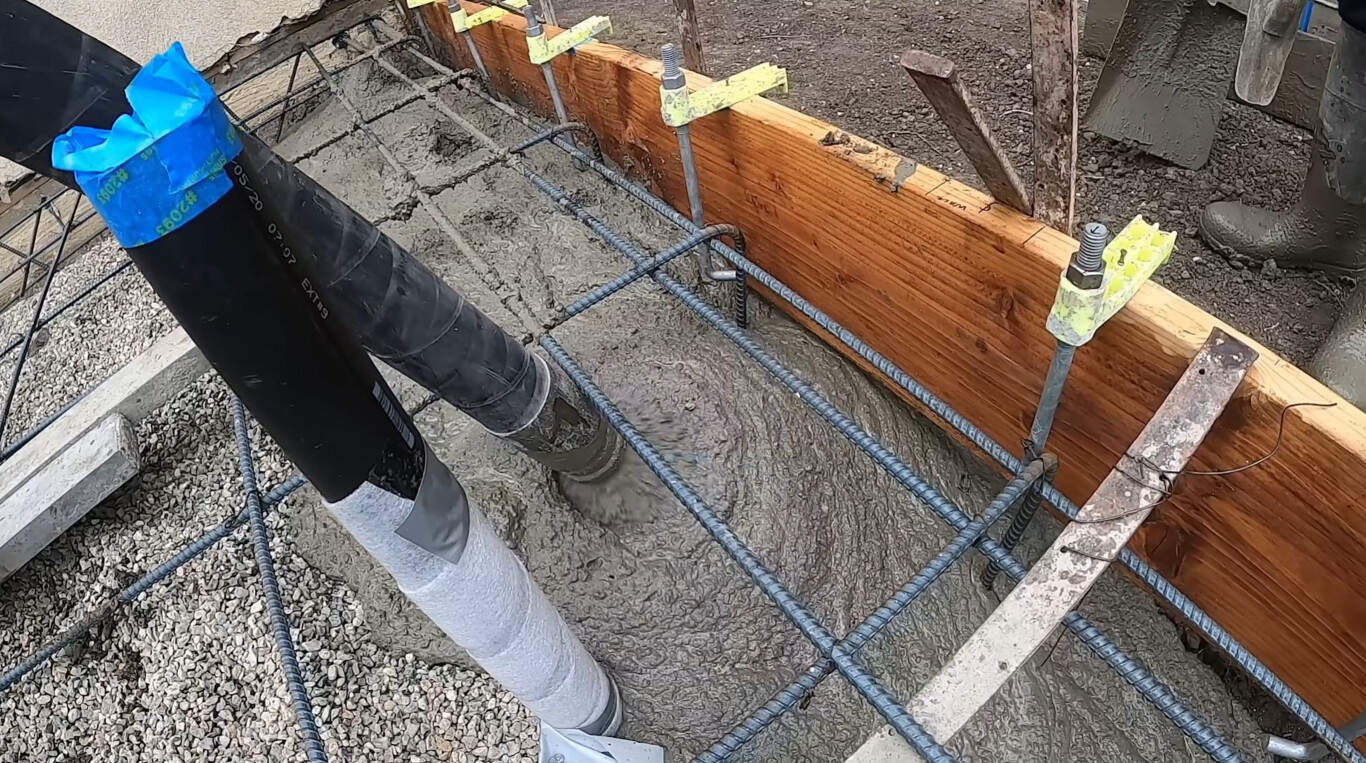
Steel reinforcement comes next, and we don't skimp here. Heavy-gauge rebar in a grid pattern provides the tensile strength that concrete lacks on its own. The steel ties everything together and prevents cracks from spreading if the slab does experience stress. Proper placement and securing of rebar matters tremendously. We follow engineering specs exactly because this is what keeps your home standing strong through hurricanes and settling.
The concrete pour itself requires coordination and speed. We use high-strength concrete specifically designed for foundation work in Florida's climate. The mix includes additives that improve workability, reduce cracking, and enhance moisture resistance. Our crew works quickly and precisely to place and finish the concrete before it starts setting.
Curing is the final critical phase. Your new foundation needs time to achieve full strength, which takes at least 28 days. We protect the slab, keep it moist during initial curing, and monitor conditions to ensure proper hardening. Rushing this process compromises strength and durability. We give every foundation the time it needs to reach maximum performance before construction continues.
Different Foundation Types for Different Needs
Not all concrete slabs are created equal, and choosing the right type depends on your specific project and soil conditions. Monolithic slabs are the most common for residential construction in Fort Lauderdale. These combine the foundation and floor into one continuous pour, making them faster and more economical. They work great for stable soil conditions and standard home construction.
Stem wall foundations provide more support in areas with problematic soil or where additional height is needed. We pour a footer first, then build concrete walls that support the floor slab. This design offers better protection against settling and provides more flexibility for dealing with sloped lots or drainage issues. It costs more than monolithic slabs but delivers superior performance in challenging conditions.
Post-tension slabs use cables tensioned after the concrete cures to add extra strength. This technology allows for thinner slabs that can span larger areas without support. They're excellent for commercial buildings, large homes, or anywhere maximum strength with minimum material is needed. The initial cost is higher, but the long-term performance and reduced cracking make it worthwhile for many projects.
We also handle garage floors, shed foundations, equipment pads, and other specialized slab work. Each application has specific requirements for thickness, reinforcement, and finish. Whether you need a simple storage shed foundation or a heavy-duty pad for workshop equipment, we size and build it correctly for your intended use. Our Fort Lauderdale team has experience with all foundation types and will recommend what works best for your situation.
When Your Foundation Needs Professional Attention
Catching foundation problems early saves you thousands of dollars and prevents minor issues from becoming structural nightmares. Cracks are the most obvious warning sign. Small hairline cracks are normal and usually not concerning, but cracks wider than a quarter inch or those that grow over time indicate serious problems. Horizontal cracks are especially worrying and need immediate professional evaluation.
Doors and windows that suddenly stick or won't close properly often signal foundation movement. When your foundation shifts or settles unevenly, it throws the entire structure out of alignment. You'll notice gaps around door frames, windows that won't open smoothly, or doors that swing open or closed on their own. These symptoms start small but worsen as the foundation continues moving.
Uneven or sloping floors tell you the foundation isn't supporting your home evenly anymore. Place a marble on the floor and watch it roll, or use a level to check. Slight slopes develop over time, but noticeable slanting means significant settling has occurred. This puts stress on walls, floors, and your home's entire structural system.
Water intrusion or dampness in areas that were previously dry suggests your foundation's moisture barrier has failed or cracks are allowing water penetration. Check for musty odors, visible moisture, or mold growth near the foundation. In Florida's humid climate, proper moisture management is critical to preventing these issues.
If you notice any of these warning signs, don't wait. Foundation problems only get worse and more expensive to fix over time. We offer free inspections to assess your situation and provide honest recommendations. Sometimes simple concrete repairs solve the problem. Other times, more extensive work is needed. Either way, we'll explain your options and give you transparent pricing so you can make informed decisions about your home.
Foundation and Slab Work Questions
Need Foundation or Slab Work?
Get expert evaluation and honest recommendations for your foundation project. Free consultations and detailed quotes.
(754) 228-0322