Retaining Walls & Concrete Masonry
Strong, attractive walls that hold back soil, create usable space, and protect your property from erosion.
When Does Your Property Need a Retaining Wall?
Retaining walls do important work on properties with sloped or uneven terrain. They hold soil in place, prevent erosion, and create level areas where you can build, garden, or enjoy outdoor space. In Fort Lauderdale, heavy seasonal rain can wash away soil and damage your property if slopes aren't properly managed. A well-built retaining wall solves these problems while adding structure and visual interest to your landscape.
Here are the most common reasons property owners need retaining walls:
- Sloped yards that lose soil during heavy rain
- Creating level areas for patios, driveways, or gardens on hillsides
- Protecting foundations from soil pressure and water runoff
- Terracing slopes to create multiple usable levels
- Preventing driveway or walkway erosion on sloped properties
If water rushes down slopes during storms, if you're losing soil, or if you want to expand your usable outdoor space, a retaining wall might be the solution your Fort Lauderdale property needs.
Retaining Wall Options for Your Property
Different properties and situations call for different types of walls. We build several styles of retaining walls, each with its own strengths. Here's how we think about the options.
Poured Concrete Walls
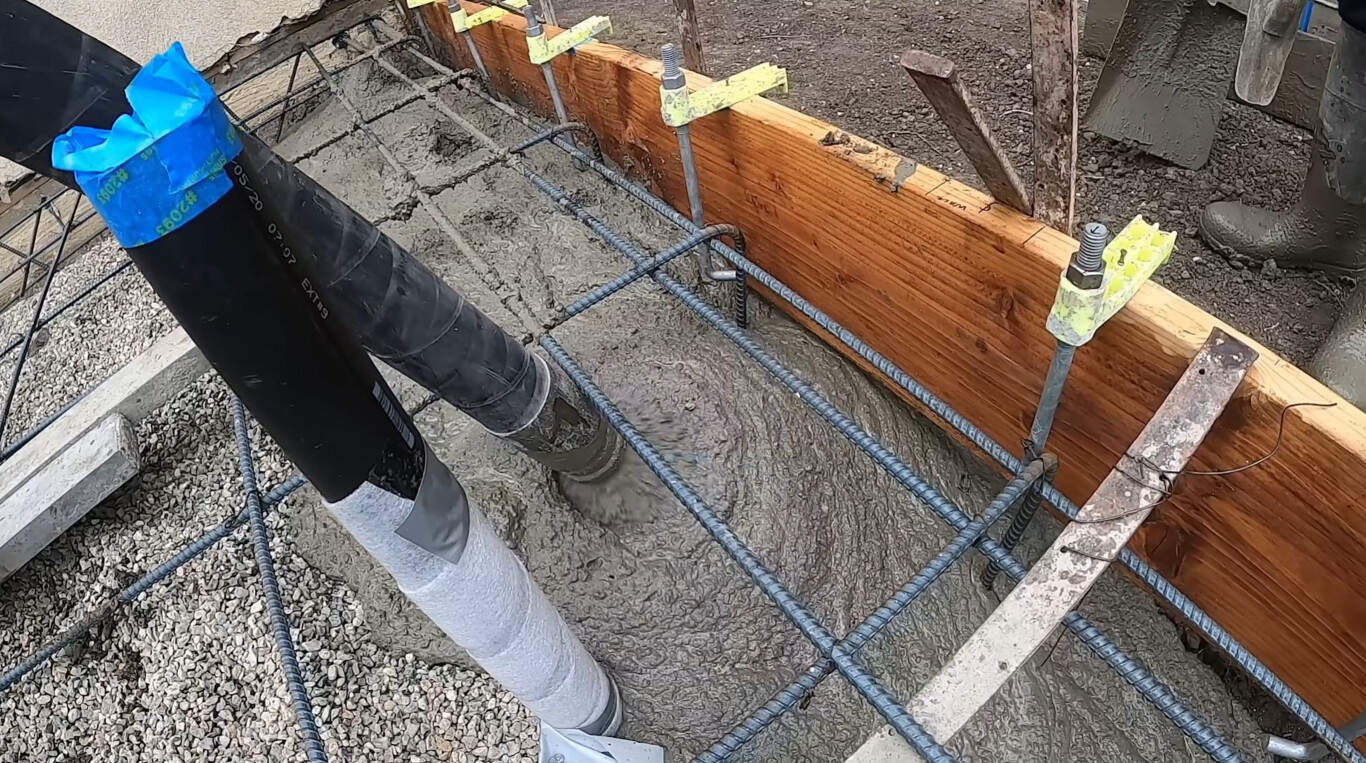
These are the strongest option for serious retaining work. We pour concrete into forms with heavy reinforcement inside. The result is a solid, monolithic wall that can handle significant soil pressure and won't shift or separate over time. Poured walls work especially well for tall installations or areas with heavy clay soils. You can finish them smooth, give them a stucco texture, or face them with stone or brick veneer, which is why concrete retaining walls remain a popular choice for finished, visible areas.
Concrete Block Walls
Also called CMU walls, these use concrete blocks stacked and reinforced with rebar and concrete fill. Block walls cost less than poured concrete while still providing excellent strength. They work great for most residential applications and come in various block styles and finishes. We can build them in curves and complex shapes more easily than poured walls.
Segmental Block Walls
These modular systems use interlocking concrete blocks designed specifically for retaining walls. They're attractive, relatively quick to install, and available in many colors and textures. Segmental walls work well for residential landscaping projects and heights up to about 4 feet. For taller walls, we may combine multiple terraced walls rather than building one tall structure.
Boulder and Stone Walls
Natural stone creates beautiful, rustic walls that blend into landscape settings. We can build dry-stack walls for lower heights or mortar stones together for taller applications. Stone walls take more time and cost more than other options, but they create a unique look that many property owners love. The natural appearance works especially well in garden settings.
What Makes a Retaining Wall Last
A retaining wall isn't just a vertical stack of blocks or concrete. It's an engineered structure fighting constant pressure from tons of soil trying to move downhill. Build it wrong and it will fail, sometimes spectacularly. Build it right and it will hold firm for decades. Here's what goes into retaining walls that last.
Proper Foundation
Every retaining wall starts with a solid foundation below ground level. We excavate below the frost line (even though we rarely freeze in Fort Lauderdale, this depth provides stability), add compacted gravel, and pour a concrete footing. The foundation must be level and strong enough to support the wall above without settling. Cutting corners here leads to tilted, failed walls down the road.
Drainage Systems
Water pressure behind a retaining wall can push it over no matter how strong it is. We install drainage systems that let water escape before pressure builds up. This includes drainage pipes at the base, weep holes through the wall, and gravel backfill that allows water to drain down to the pipe system. These drainage features are absolutely critical in Florida where we get intense rainfall.
Reinforcement and Anchoring
Tall walls or walls holding back heavy soil need reinforcement. This might be rebar in poured concrete, vertical reinforcement in block walls, or geogrids that extend back into the soil mass. These reinforcements tie the wall to the soil behind it, spreading forces over a larger area and preventing the wall from tipping forward.
Engineering When Required
Walls over certain heights require engineering and permits. We work with structural engineers who design walls for your specific soil conditions and loads. They specify concrete strength, reinforcement details, and drainage requirements that ensure your wall meets code and performs safely. We then build exactly to those specifications.
Making Your Retaining Wall Look Great
Retaining walls serve a practical purpose, but that doesn't mean they can't look good too. We offer several ways to enhance your wall's appearance and integrate it into your overall landscape design.
Surface Finishes
Poured concrete walls can receive various finishes. Smooth trowel creates a clean modern look, while textured finishes hide minor imperfections and add visual interest. We can also apply stucco, stamp patterns into the concrete, or add stone or brick veneer to match your home's exterior.
Color and Staining
Concrete doesn't have to be gray. Integral color mixed into the concrete gives consistent color throughout, while acid stains or concrete dyes applied after curing create rich, variegated tones. Many homeowners choose earth tones that blend with landscaping, but bolder colors work for contemporary designs.
Caps and Tops
Wall caps provide a finished look while protecting the top of your wall from water infiltration. We can pour concrete caps, install precast caps in various profiles, or use natural stone. Some property owners add sitting walls with wider caps that double as bench seating in garden areas. This combines function with comfort for outdoor entertaining.
Landscape Integration
The best retaining walls work with your landscaping plan. We can add planting pockets in the wall face, coordinate with your landscaper for plantings that soften the wall's appearance, or design terraced walls that create distinct garden levels. When you're also planning patio work or walkways, we coordinate these elements so everything flows together naturally.
Frequently Asked Questions
Ready to Protect Your Property with a Retaining Wall?
Let's discuss your erosion concerns and design a wall that solves your problems.
(754) 228-0322